












Barrier
Breakers
Technology plays a powerful role in making our world a better place. Behind the progress, we found amazing people. Meet the Barrier Breakers.
Breaking barriers between people and technology
They’re harnessing the power of technology to make change. They’re fighting for a healthier planet and narrowing the digital divide. And because we believe in them and the value that technology brings to our environment and society, we’re partnering with them and sharing their stories.
Episode 5
Quiet Sound
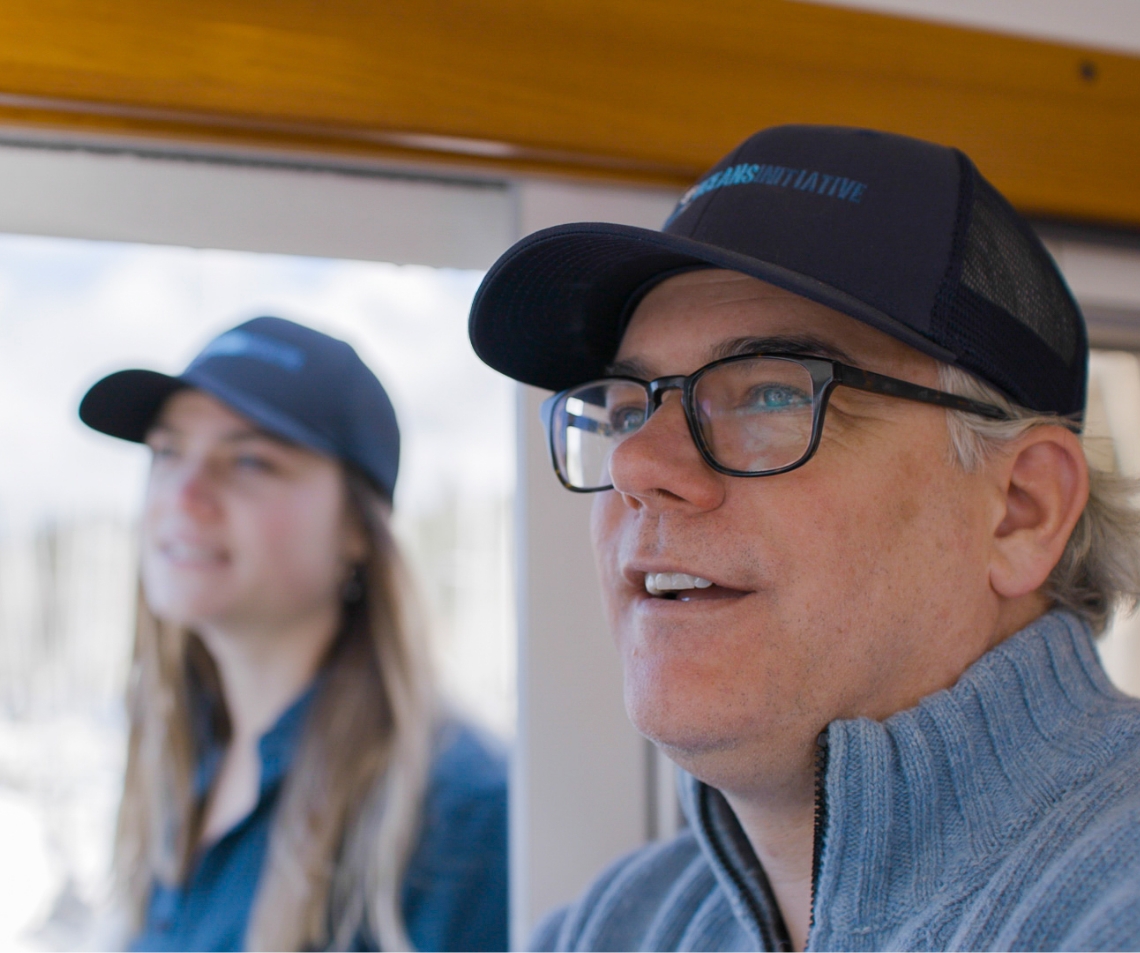
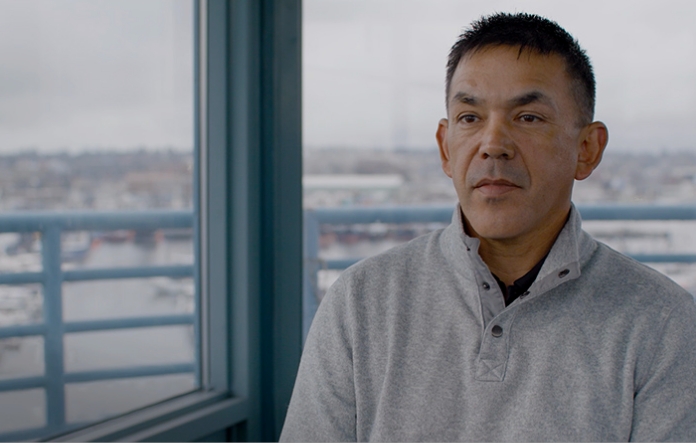
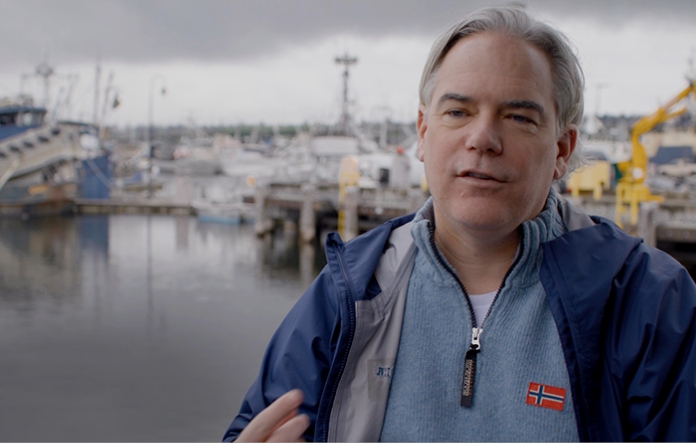
The iconic Southern Resident killer whales (more commonly known as orcas) of southwest Canada and the northwest United States are endangered, with only around 70 alive today. Underwater noise from large ship traffic interferes with the whales’ ability to hunt already scarce salmon. To help, Quiet Sound uses a variety of technologies to locate whales and let crews know they’re nearby, so vessels can slow down or change course.
The tools that we use for orca protection include technology, research, and partnerships.
See more stories
Jay
Rob
Learn more about Quiet Sound
quietsound.org
Episode 4
One Tree Planted
Trees increase biodiversity, clean the air, and filter water, acting as powerful weapons in the global fight against climate change. One Tree Planted, an environmental nonprofit based in Vermont, plants one tree for every dollar it raises. Working with partners around the world, the organization uses technology to discover where trees are most needed and monitor the growth of the trees it plants.
Technology helps us to prioritize … where there is the greatest need.
See more stories
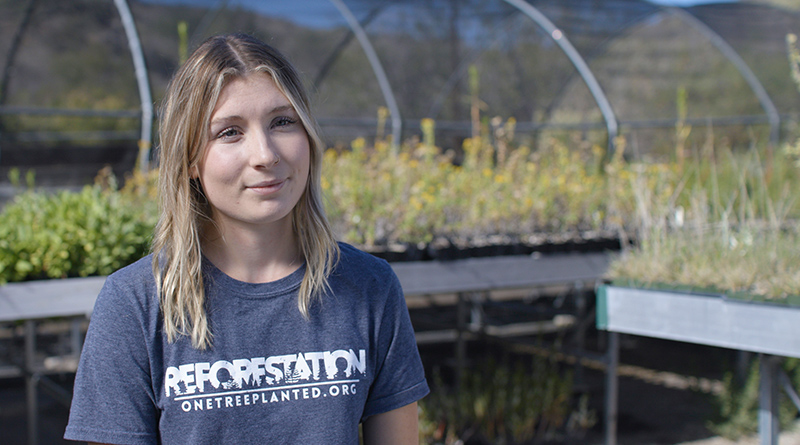
Kyleigh
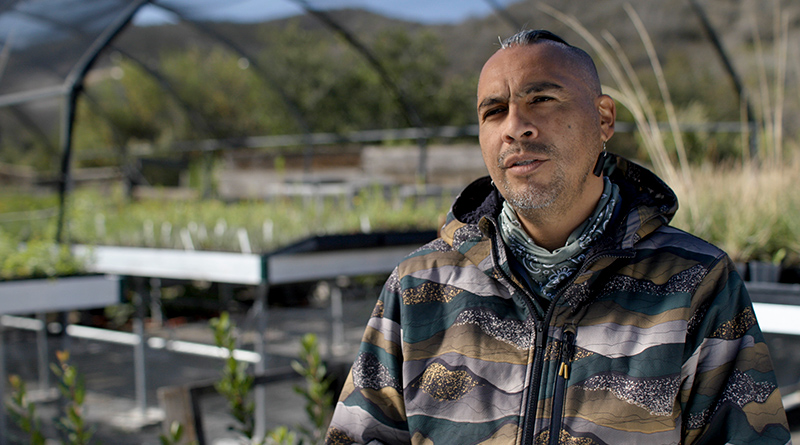
Antonio
Learn more about One Tree Planted
onetreeplanted.org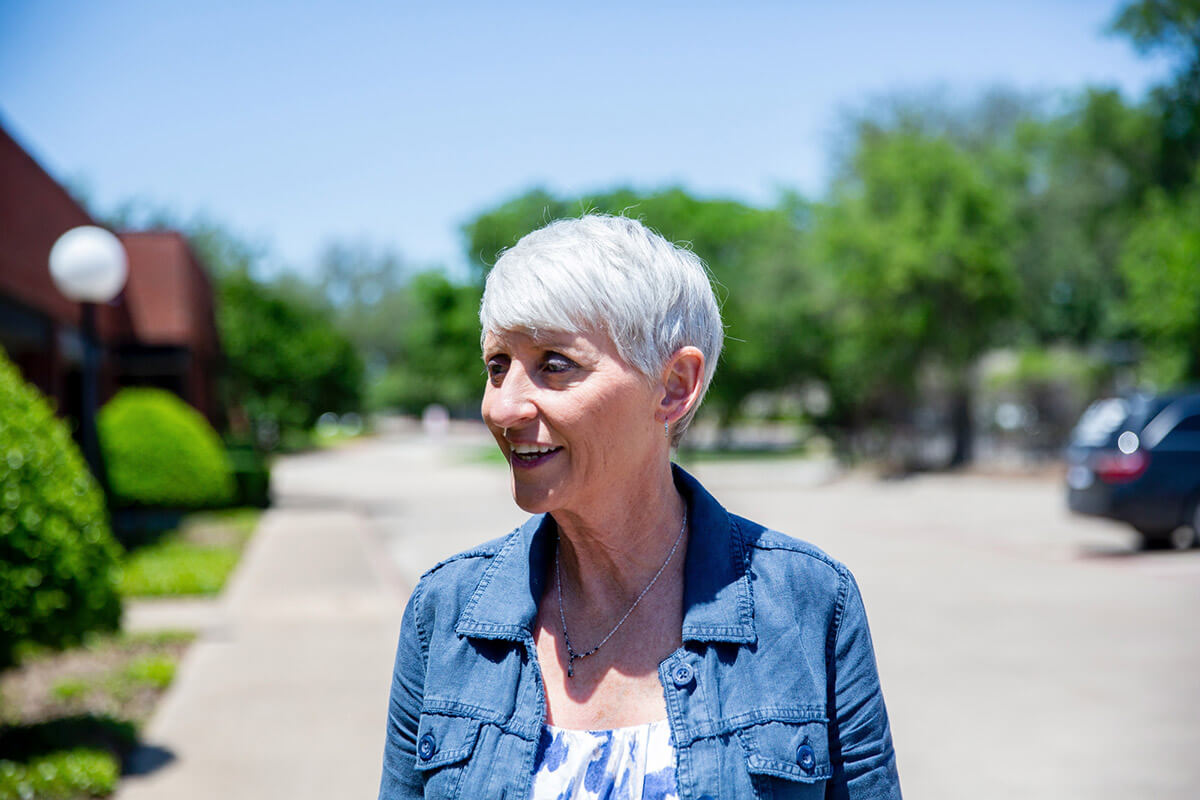
EPISODE 3
Computers for the Blind
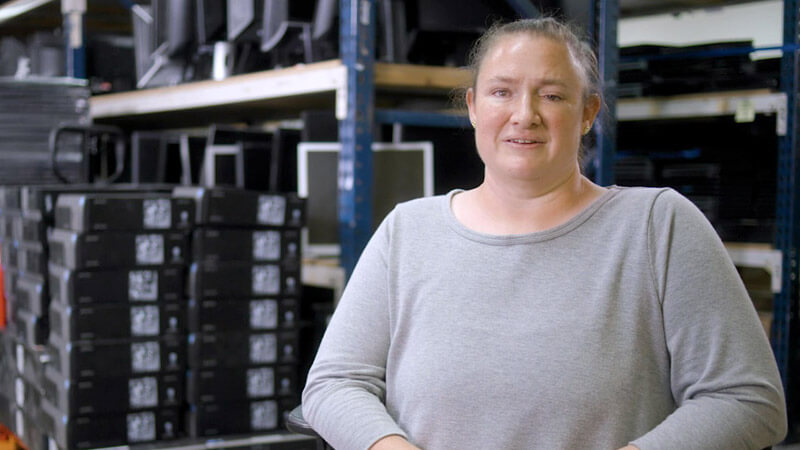
Assistive technology helps people who are blind or visually impaired do essential tasks that most of us take for granted. Learning, working, and connecting with others all become more accessible with the right technology. But it’s expensive. In Dallas, volunteers at Computers for the Blind gather donated computers, install specialized software, and train those who are blind or visually impaired to use assistive technology.
Technology, to me, levels the playing field with my sighted peers.
See more stories
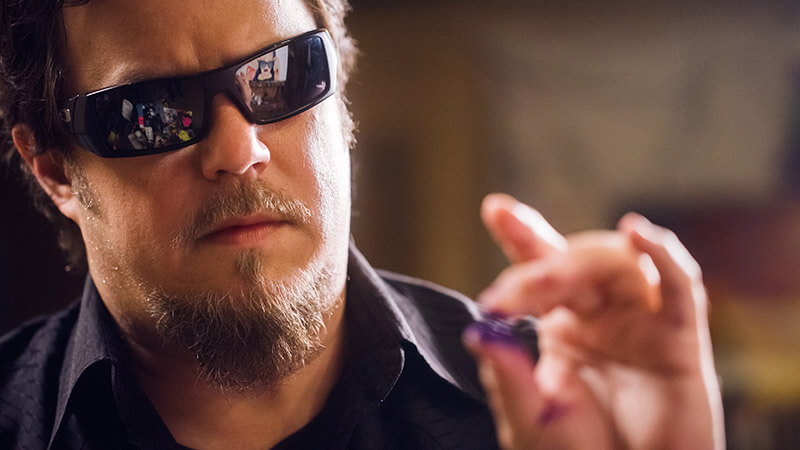
John
Jenny
Learn more about Computers for the Blind
computersfortheblind.org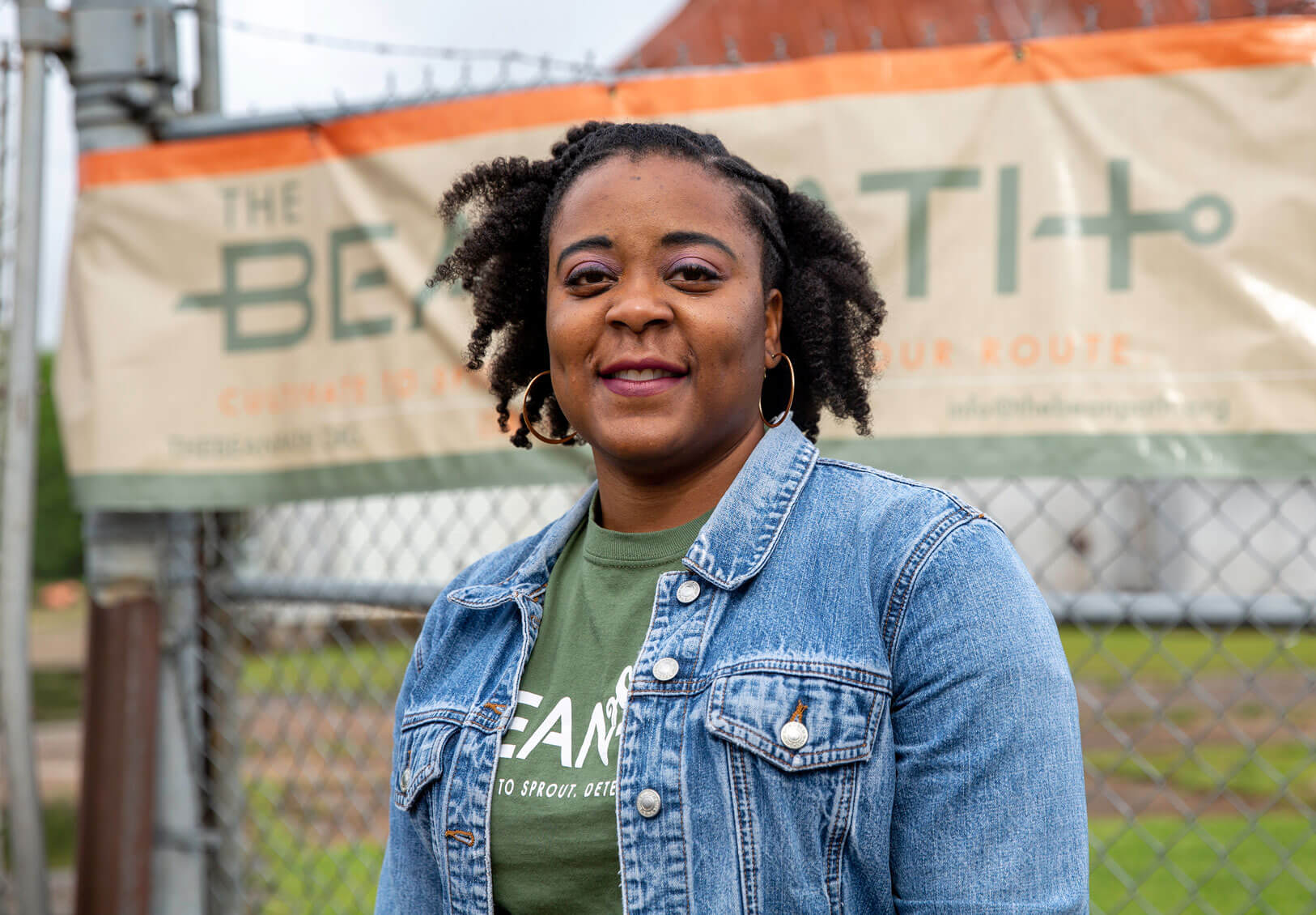
EPISODE 2
The Bean Path
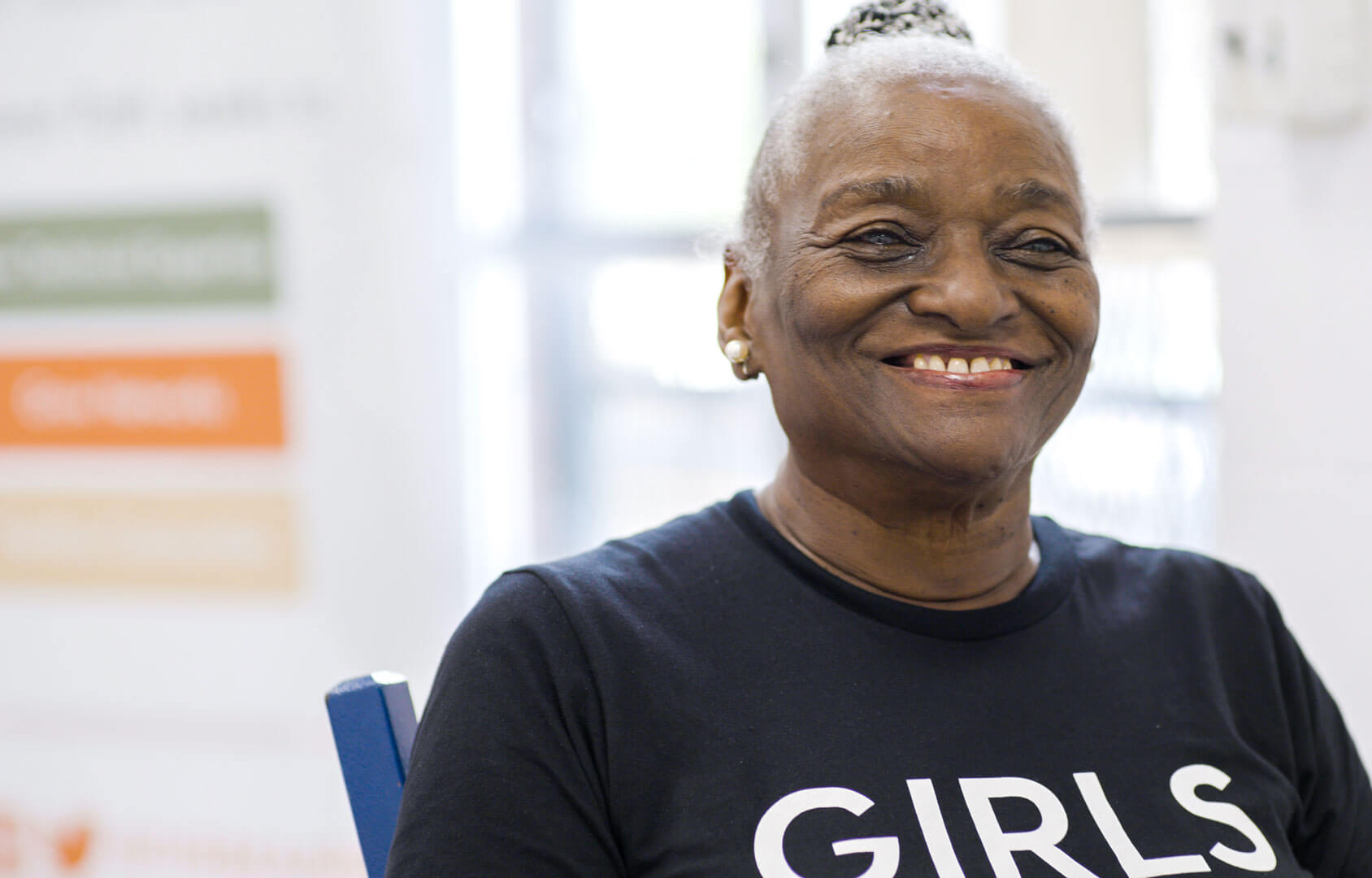
During her successful career in tech, Dr. Nashlie Sephus experienced the industry’s lack of diversity firsthand. It inspired her to start The Bean Path, a nonprofit in her hometown of Jackson, Mississippi, that’s laying promising groundwork for change. The organization provides locals with computer training and advice, offers tech office hours, runs engineering and coding programs for kids, and even has plans to build a technology hub.
It’s important to let this community know that they have access to this technology.
See more stories
Ivan
Mattie
Learn more about The Bean Path
thebeanpath.org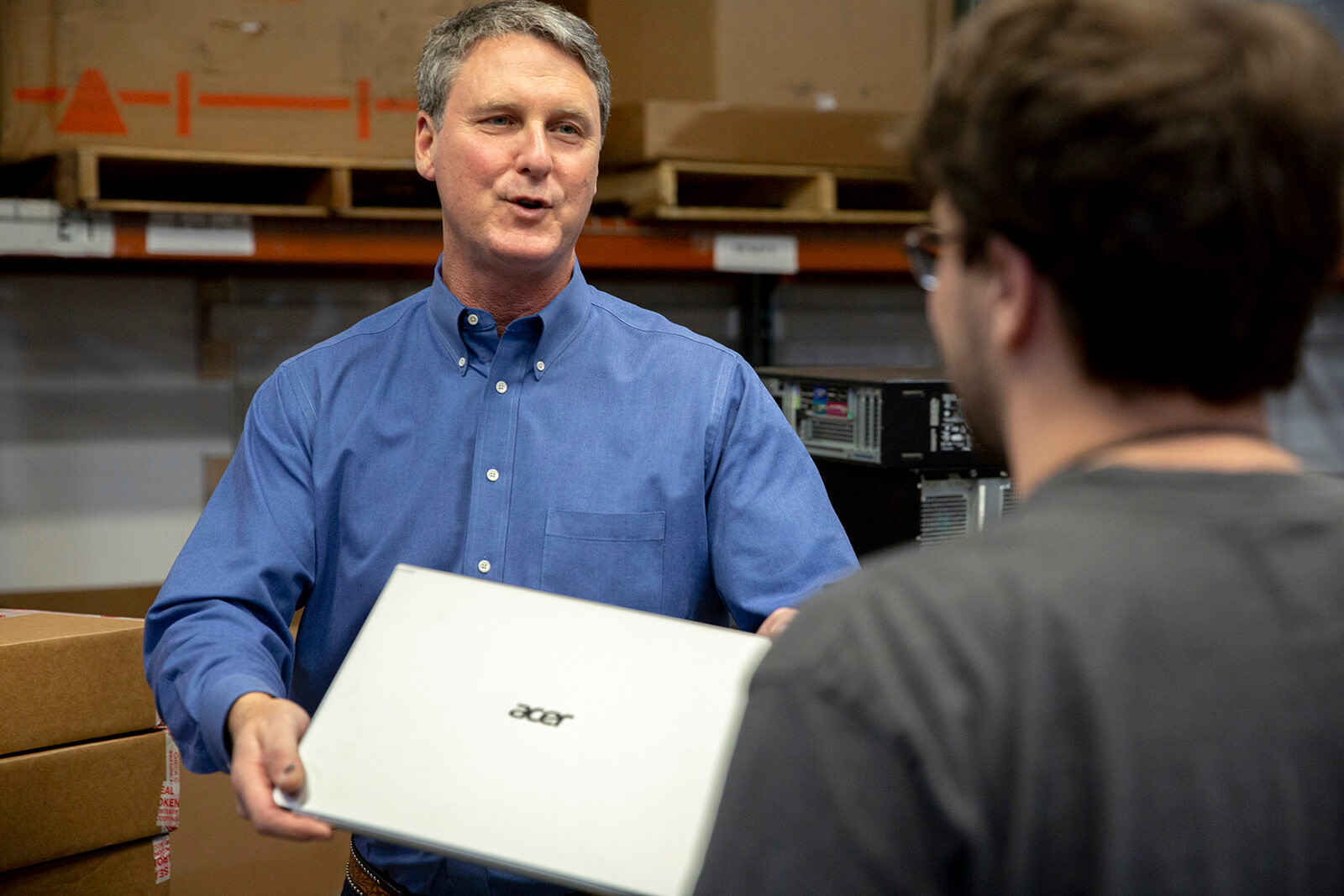
EPISODE 1
Tech for Troops
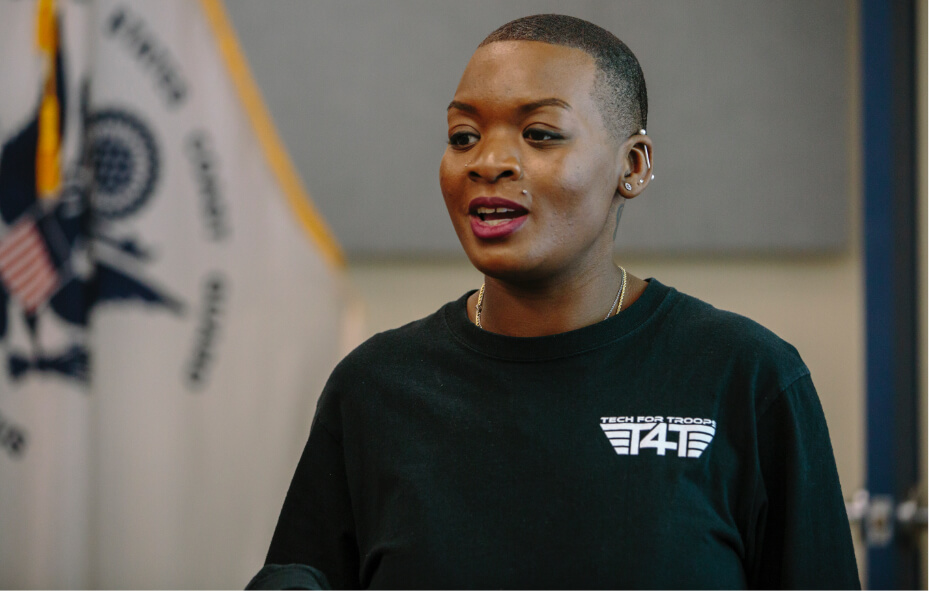
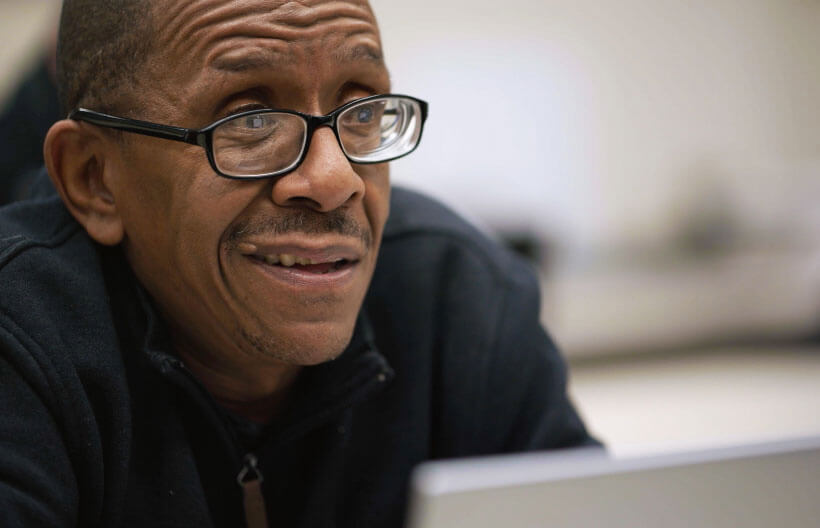
When looking for work, some veterans face roadblocks like not having a computer or technical skills. That’s where Tech for Troops comes in. The organization gathers used laptops that normally end up in landfills, refurbishes them, and gives them to veterans in need. It also offers computer literacy education.
In today’s world, you have to have a computer to be able to apply for jobs.
See more stories
Lakesha
Marshall
Learn more about Tech for Troops
techfortroops.org
Making a meaningful difference for today and tomorrow
Our mission to break down barriers between people and technology drives us to help close the digital divide as well as to create positive impacts in other areas like the environment, supply chain management, and corporate governance.
Learn more